
Land Conservation & Estate Planning: Planning for Family Land
If You Don’t Plan for the Land, the Land Gets Planned for You
You Can’t Make More Land
Growing up in the Shenandoah Valley meant farming and the outdoors were part of everyday life.
Almost all of my time was spent on our small hobby farm near Linville, at my best friend’s family farm near Broadway, or simply outside. That still holds true today. This kind of life shaped who I am, and now I’m providing many of those same experiences for my own family.
Land is different from a lot of the things we own. You can’t grow or create more of it. And once land is developed, getting it back to what it once was can be difficult, or impossible.
That’s one reason for thinking about the future of farms, forests, and family property matters.
Land can carry financial value, but it can also carry something harder to measure: family history, memories, traditions, and a connection to a place.
If keeping some or all of that intact matters to you, planning ahead can help your family understand what you want and why it matters.
Start Early and Be Open to New Ideas
Keeping traditions can be important. But sometimes being willing to change how something is done can help preserve why it matters.
I’ve seen family farms and other property sold after an older generation passes away. Sometimes there are financial reasons. Sometimes no one in the next generation wants the responsibility. Sometimes families simply haven’t talked about what comes next.
You can’t force your family to love the land the same way you do.
But you can invite them into the conversation.
Give the next generation room to be creative. Maybe they don’t want to farm exactly the way you did. Maybe they have completely different ideas for how the land could be used while still honoring what makes it meaningful.
A few simple things can help:
- Be open to new ways of doing things and allow other voices to be heard.
- Spend time together working the land—or simply walking it and enjoying the fresh air.
- Share the stories and memories connected to the property.
- Ask younger generations what the land means to them and what role, if any, they might want it to have in their future.
Those conversations can tell you a lot before you ever begin talking about legal documents.
Hard Conversations Now Can Create More Clarity Later
Everyone wants peace, but sometimes the boat needs to be rocked a little to get where you’re trying to go.
One thing I’ve learned over the years is that speaking up about what matters to you is often better than staying quiet just to keep the peace.
No one can know what you want unless you tell them.
And when you’re no longer here to explain it, having those conversations ahead of time may make difficult decisions a little clearer for the people you love.
If you hope your land will stay in the family, say that.
If you have ideas about what should happen if your immediate family doesn’t want the property, talk about those too.
And most importantly, listen to what your family tells you.
The goal isn’t to dictate someone else’s future. It’s to make your wishes known while there’s still time for everyone involved to talk honestly about what’s realistic.
Conservation and Preservation Can Be Part of the Conversation
The land we have today has provided for generations before us. If caring for that land for future generations matters to you, there may be planning strategies worth exploring.
Depending on the property, your goals, and your circumstances, conversations might involve estate planning, ownership structures, conservation organizations, land-use considerations, or other legal and financial planning strategies.
There isn’t one answer that works for every property or every family.
That’s why research matters.
- Learn about conservation and estate-planning options that may be available to landowners.
- Talk with other landowners about what they have considered.
- Ask questions about the advantages, limitations, costs, and long-term consequences of different strategies.
- Make sure any professionals you work with understand both your goals for the property and your goals for your family.
The objective isn’t simply to “save the farm.” It’s to understand the choices available and make intentional decisions about what you want the future to look like.
Learn Your Options and Build the Right Team
Major decisions involving land can cross several areas at once.
There may be legal questions.
There may be tax considerations.
There may be financial-planning implications.
And there are almost certainly family considerations.
Trying to figure all of that out alone can make an already emotional decision even harder.
Once you’ve thought about what you want, consider talking with the professionals appropriate for your situation. That could include an estate-planning attorney, tax professional, financial professional, land-conservation organization, or other specialist.
Ask trusted friends and family members about professionals they’ve worked with, but do your own due diligence too.
Talk with more than one resource when appropriate. Ask questions. Understand what each professional does—and what they don’t do.
Most importantly, make sure the people advising you understand the bigger picture.
The Land Is Part of the Legacy
We can’t create more land.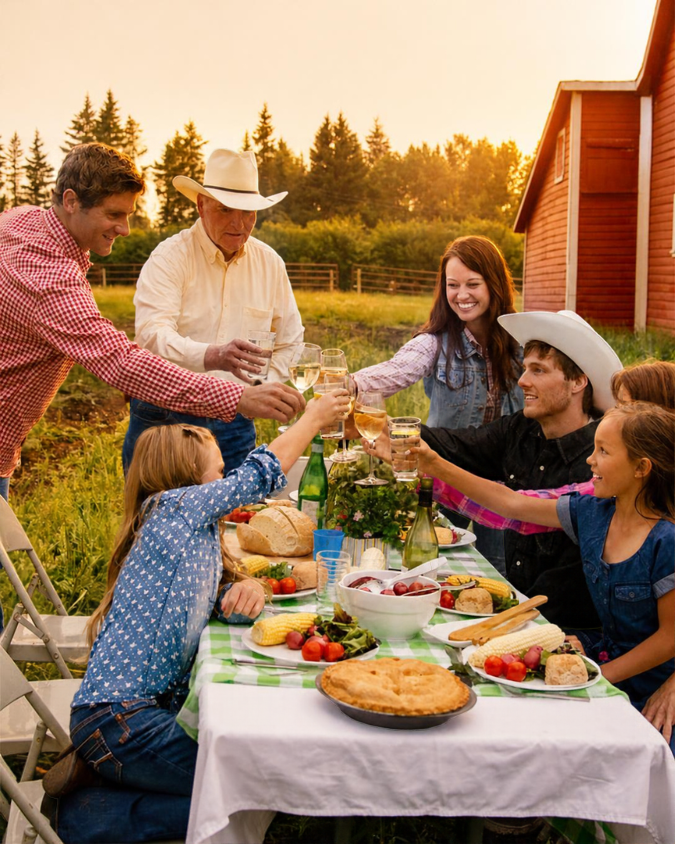
For those of us who grew up on farms, in forests, or simply with a deep connection to the outdoors, land can represent far more than its market value.
It can hold childhood memories.
Family stories.
Hard work.
Sunday walks.
Lessons passed from one generation to another.
And maybe that’s the most important reason to talk about its future.
Make the memories now. Have the honest conversations. Learn about your options. And when the decisions cross into legal, tax, conservation, or financial territory, bring the appropriate professionals into the conversation.
Farms and forests are an important part of the Shenandoah Valley we know today. What they look like for future generations will depend, in part, on decisions landowners make now.
If the land matters to you, don’t leave its future entirely to chance.
FAQ
What happens to family land if you don’t have a plan? Without clear planning, decisions about inherited property may ultimately fall to heirs and be influenced by estate documents, ownership arrangements, financial needs, family circumstances, and applicable law.
How can you keep land in the family for future generations? Families can start by discussing their goals and determining whether future generations actually want the property. Attorneys, tax professionals, financial professionals, and conservation specialists may then help evaluate appropriate planning options.
What is a conservation easement? This is one I’d want properly sourced and carefully written before publishing because the legal and potential tax implications deserve more precision than we should casually add.
When should you start planning for family land? Ideally, while the current owners and family members have time to discuss goals, explore alternatives, and seek professional advice rather than waiting until a death, illness, or other transition forces decisions.