
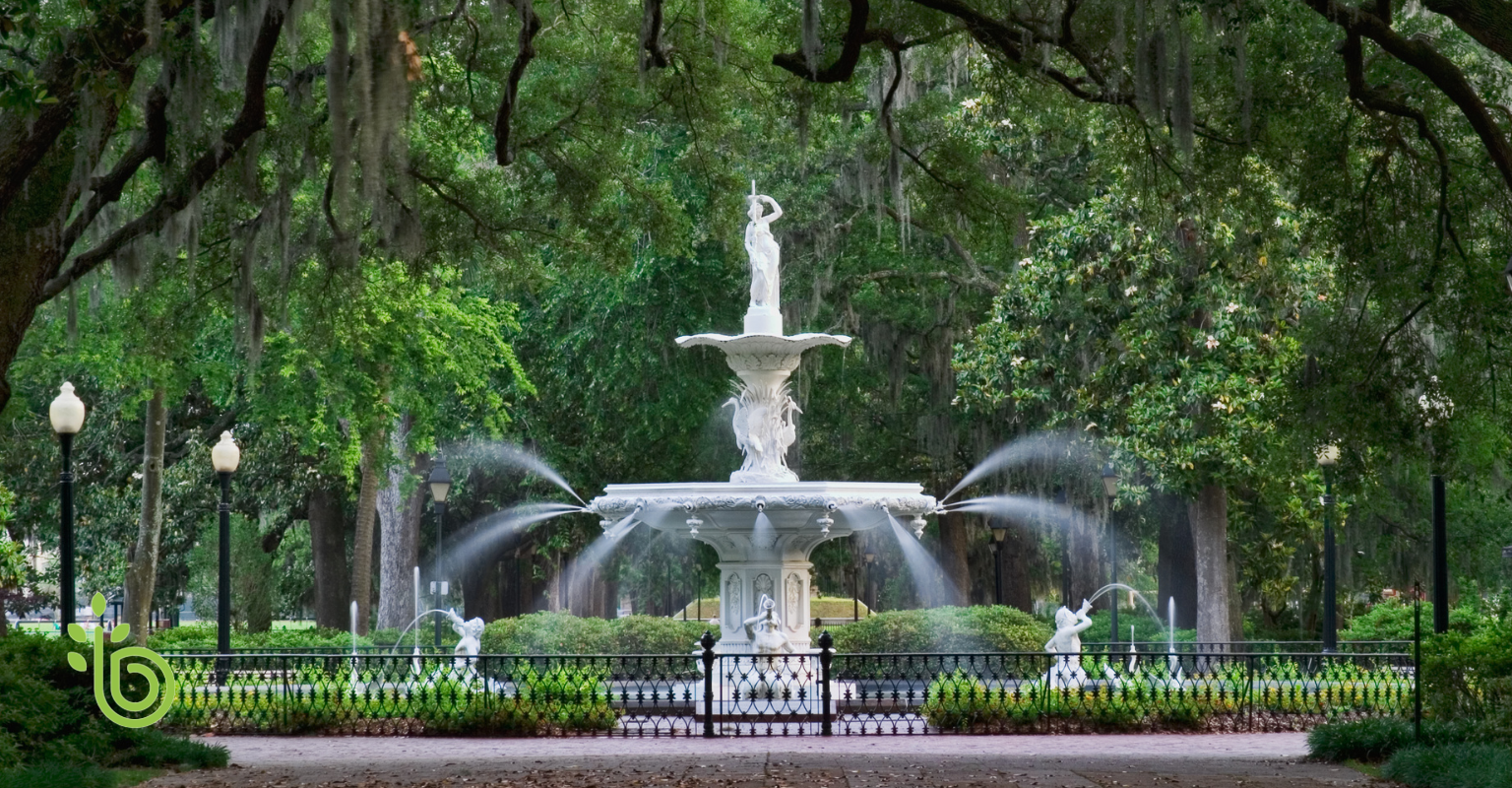
Re-Nesting After a Life Transition
What Savannah Taught Me About Coming Home to Myself
Some seasons of life don’t ask us to become someone new. They ask us to rediscover who we’ve always been.
Whether you’re adjusting to retirement, navigating an empty nest, changing careers, grieving a loss, or simply feeling like life no longer fits the way it once did, transitions have a way of reshaping us. Re-nesting is the quiet process of creating a life that feels like home again, one intentional choice at a time.
Close your eyes and imagine driving down the coastline, passing tiny ocean towns weathered by salt air and time. The windows are down. A warm breeze moves through tangled hair.
Then you cross into Savannah, Georgia, and something shifts.
The air feels familiar somehow, comforting, grounding. Like Sunday dinners and your grandmother’s meatloaf. Like memories you didn’t realize your body was still carrying.
As the coastline approaches, you exhale. Shrimp boats rock quietly in the distance, and without thinking, you make the familiar left turn toward Tybee Island.
And everything slows down. Not in a curated, wellness-retreat kind of way.
In a real way.
Flip-flops. Salty skin. Quiet mornings. Screen doors. Sand on the floorboards. Coffee gone cold because nobody is rushing you. The kind of place where people wave without needing a reason and sunset still counts as a plan.
On Tybee, slow isn’t a trend. It’s a way of life. And maybe that’s why places like this feel so healing during seasons of transition.
Why Life Transitions Feel So Unsettling
Every transition holds a moment when nothing quite fits anymore. 
Not your routines. Not your surroundings. Not even the version of yourself that once felt so familiar.
It’s tempting to rush through that space, to fix it, fill it, or force clarity. We live in a culture that rewards immediate answers and constant productivity. Yet some of life’s most meaningful seasons refuse to operate on a deadline.
The truth is that transition isn’t a problem to solve.
It’s a process to move through.
I’ve been thinking about that a lot lately, especially when I think about Savannah.
Not just the city. The feeling.
Salt in the air. Sand beneath your feet. Hair that refuses to cooperate because the ocean has other plans. Bare feet naturally slowing your pace. Mornings that unfold instead of rush.
Savannah reminds you that life doesn’t always need tightening. Sometimes it needs softening. And that’s what seasons of transition often ask of us.
Not to harden. Not to hurry.
But to return to ourselves.
The ocean has a way of putting everything into perspective. Standing at the shoreline, your timelines, expectations, and need to have everything figured out suddenly feel smaller. Not unimportant. Just human. The vastness of the water reminds you that you’re allowed to pause. Allowed to breathe. Allowed to stop treating every unanswered question like an emergency.
The tide doesn’t force itself. The waves don’t panic. The shoreline changes gradually, shaped by time and repetition.
Maybe we’re allowed to do the same. Transitions often convince us we need to reinvent ourselves overnight. Places like Savannah remind us that becoming is quieter than that.
It looks like:
- Long walks without a destination
- Coffee before your phone
- Sitting outside long enough to hear yourself think
- Creating routines that feel calming instead of impressive
- Choosing peace over performance
What Is Re-Nesting?
Re-nesting is the process of intentionally rebuilding your routines, priorities, and environment after a significant life transition.
It isn’t about creating a perfect life. It’s about creating stability while life is still unfolding.
Maybe that’s why the ocean feels healing to so many people.
Physically, it grounds you. Sand beneath your feet. Salt in the air. The steady rhythm of the waves.
Emotionally, it offers something deeper.
It pulls you out of urgency. It reminds you that life is allowed to unfold naturally.
That clarity rarely arrives through force.
It arrives through space.
So if you’re navigating an empty nest, retirement, a career change, grief, growth, rebuilding, or rediscovery, maybe the answer isn’t to push harder.
Maybe the answer is to find your version of Savannah. Your quiet place. Your exhale. Your return to self.
The place where you stop trying to become someone else long enough to remember who you already are.
From there, everything becomes easier to build.
Savannah was my mother’s childhood home, and somewhere along the way those coastal roads became part of my story too. What began as childhood memories became an adulthood refuge, a place I return to whenever life feels loud, heavy, unclear, or stretched thin. Not because it fixes everything. But because it resets something within me.
The rhythm of the waves, the salty air, the endless horizon, they remind me that not everything needs to be solved immediately. That clarity can return slowly. Quietly. Naturally.
And the truth is, this isn’t really about Savannah.
It’s about the place each of us carries. The place that softens us. The place that brings us home to ourselves. The place where our nervous system finally exhales.
For some people, it’s the mountains.
For others, it’s a lake house, a family farm, a trail, a favorite coffee shop, a back porch, or a quiet drive with nowhere to be.
Most of us have one.
A place that reminds us who we are beneath the pressure, expectations, noise, and confusion. A place that doesn’t ask us to perform. Only to return. And maybe part of re-nesting is finding our way back to those places more often. Not to escape our lives. But to reconnect with ourselves long enough to build them intentionally.
Your Favorite Place Isn’t Really About Geography
There’s something interesting I’ve noticed when people talk about their favorite places.
They rarely describe the location first. They describe themselves there.
“I felt lighter.”
“I laughed more.”
“I slept better.”
“I wasn’t checking my phone constantly.”
“I felt connected again.”
“I felt like me.”
That matters more than most people realize. Because your favorite place is rarely about geography.
It’s about identity. It’s about the version of yourself that emerges when the noise quiets down. The version that appears when you’re no longer operating from stress, survival, expectation, burnout, or obligation. The version of you that feels grounded. Present. Alive.
What Does Financial Planning Have to Do With Life Transitions?
As I’ve reflected on Savannah over the years, I’ve realized something surprising.
This is exactly what I hope financial planning creates for people.
Not another spreadsheet. Not another investment account. Space. Clarity. Choice. Because at its core, financial planning isn’t really about money. It’s about creating the conditions for that version of you to exist more often.
For decades, the financial industry has treated money as a math problem. Charts. Returns. Technical language. Transactions. Those things matter. But they aren’t the whole story.
Money is deeply personal because life is deeply personal.
Your financial decisions are connected to your experiences, your fears, your relationships, your confidence, your values, your dreams, and your sense of security.
Most people aren’t simply trying to retire successfully. They’re trying to create enough stability to finally breathe.
That’s why I approach financial planning differently. I don’t begin with the question: “How much money do you want?” I begin with: “Who are you when you feel most alive?”
Because that answer changes everything.
Maybe your version of Savannah looks like: 
- Slow mornings with coffee on the porch
- Traveling without anxiety
- Hosting family dinners
- Living near water
- Leaving a job that no longer fits
- Starting a business
- Taking Fridays off
- Feeling healthy again
- Sleeping through the night
- Having enough margin to stop surviving
Those aren’t soft goals. They’re life goals. And when financial planning ignores them, people often end up successful on paper while feeling disconnected in reality.
I believe financial planning should do the opposite. It should reconnect people with possibility.
That means we talk about things many advisors never ask:
- What freedom actually feels like to you
- What environments help you thrive
- What drains your energy
- What enough looks like
- What dreams you’ve stopped saying out loud
Because once we identify the version of you that feels grounded, clear, connected, and fully alive, we can begin building a financial strategy that intentionally supports that person.
Not someday. Not after retirement. Not after burnout. Now.
Good financial planning isn’t simply about accumulating wealth. It’s about aligning your resources with your values so your life begins to feel like your own again.
Anyone can build a portfolio. What interests me is helping people build a life they actually want to be present for. A life that reflects who they are rather than who they think they’re supposed to be. A life designed around meaning, not just momentum.
Maybe that’s the real lesson Savannah keeps teaching me. The goal isn’t to become someone new. The goal is to create enough space, clarity, and alignment to return to who you’ve been all along.
So I’ll leave you with one question:
Who do you become when life feels aligned?
Because that answer might be the most important place to begin. And if you’re entering a new season of life and wondering how your financial decisions fit into the life you’re trying to build, we’d love to have that conversation.
Financial planning isn’t just about preparing for retirement. It’s about creating the freedom to live intentionally, wherever your version of Savannah may be.